FIRE SUPPRESSION SYSTEMS
Total Flooding Gas Fire Suppression Systems
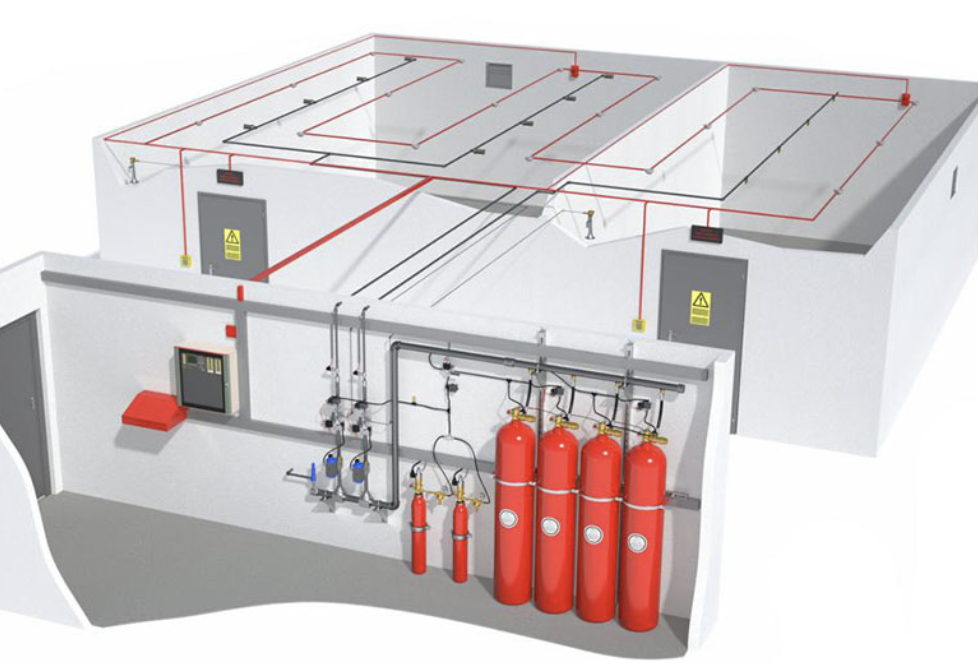
These are systems that are installed with a sealed enclosure, typically a server room, LV/HV Room, Archives etc.
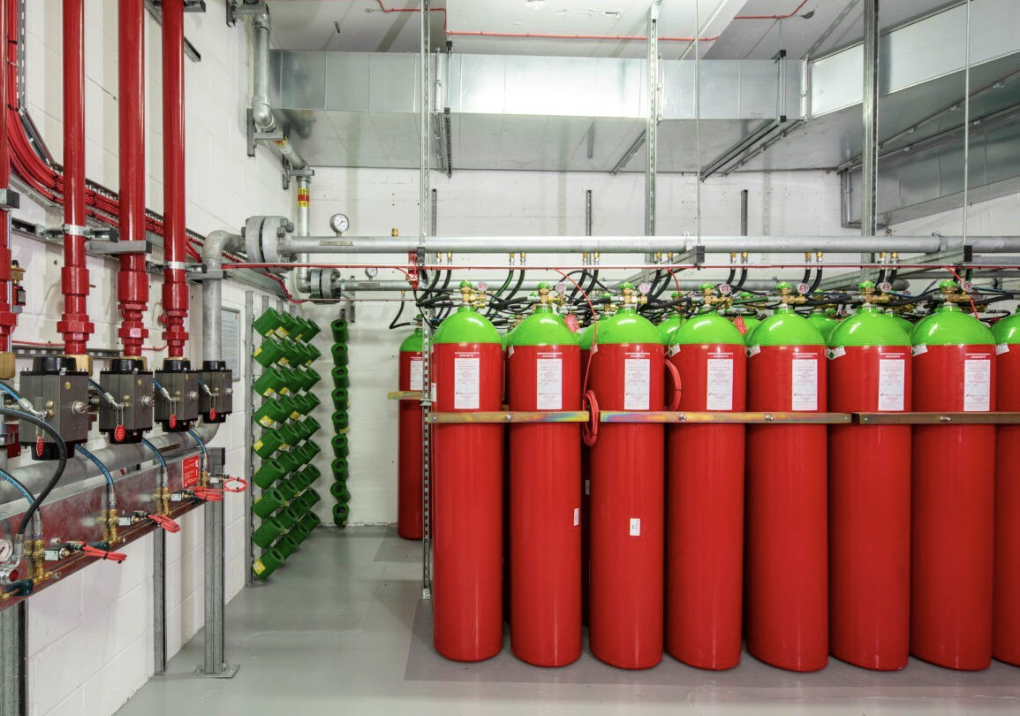
The fire suppression cylinders are often located within the enclosure or outside the enclosure. The basis of suppression is either removing oxygen or heat. These are both safe systems and suitable for occupied spaces.
reduce oxygen levels within the enclosure to about 12% to 14%. Combustion normally requires oxygen levels of 15% and above.
Humans can survive with oxygen levels from 10% and above.
The balance is making the fire suppression system safe and at the same time inerting the risk preventing combustion.
These come as brands, however, generally made up of a mixture of Nitrogen, Argon and in some cases small concentrations of CO2.
- IG55 is a 50/50 mix of Argon and Nitrogen
- IG541 is 52/40/8 mix of Nitrogen/Argon and CO2 respectively
- IG01 - Argon
- Storage pressures range from 300 bar, 200 bar and 100bar.
- Discharge times 60 to 120 seconds
- Pressure relief venting is required when using these types of fire suppression systems.
Synthetic/chemical fire suppression systems
These systems use gases that attach to the free radicals of the heat source and reducing the kinetic energy of the fire, thus cooling it. The advantages are the lower concentrations are required and oxygen levels remain high.
- HFC227ea - FM200 (although not commonly used due to its environmental impact)
- FK 5-1-12 - Also know as Novec1230
- Storage Pressure typically 15 and 42 bar
- Discharge time <10 seconds
- Pressure relief venting is required, but must vent for negative and positive pressures
These system are designed to suppress a fire a source. Often used in ATEX/hazardous applications. Typical applications would include commercial kitchens, conveyor systems, Hazchem baths and other risks that are not sited within an enclosure.
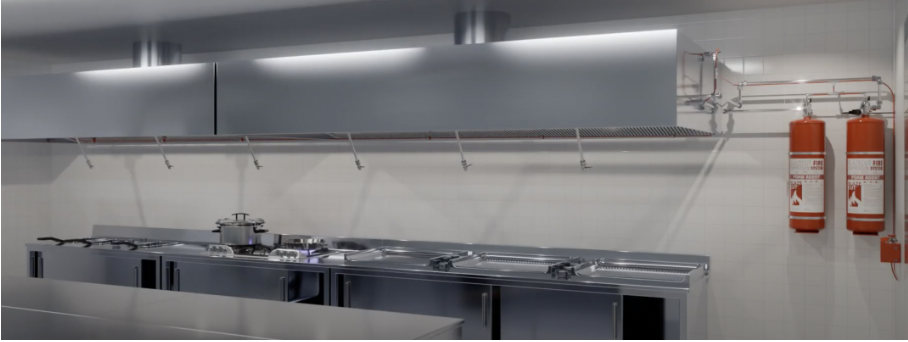
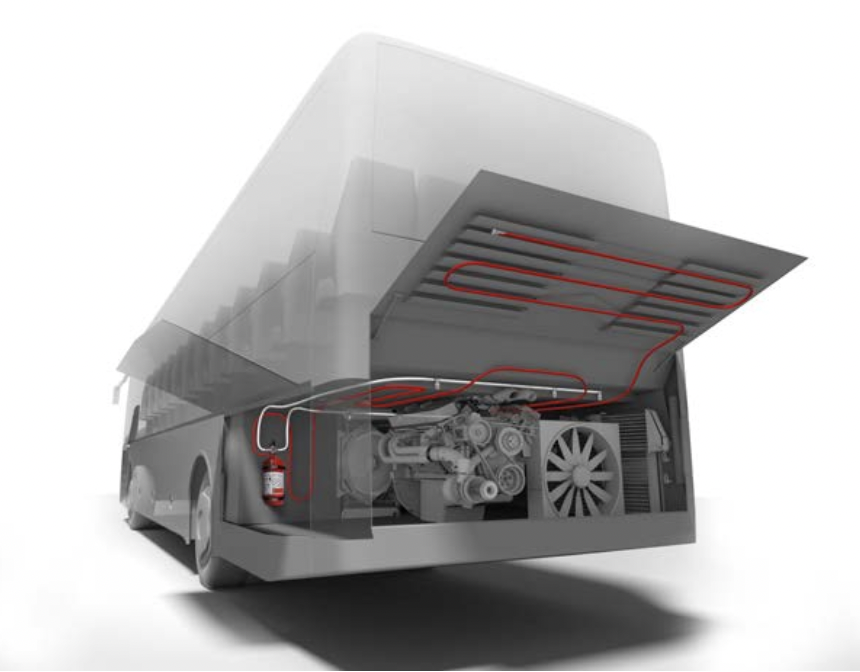
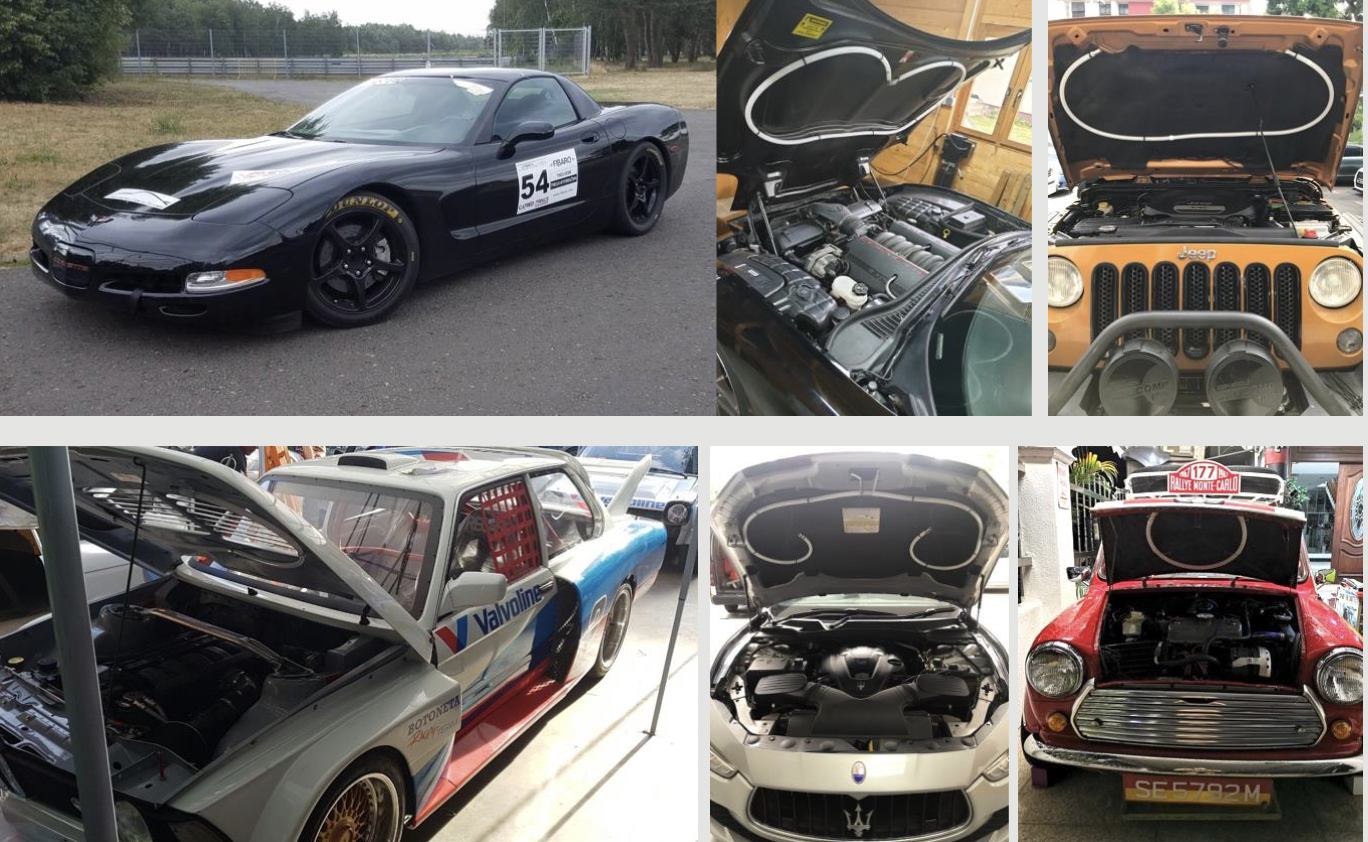
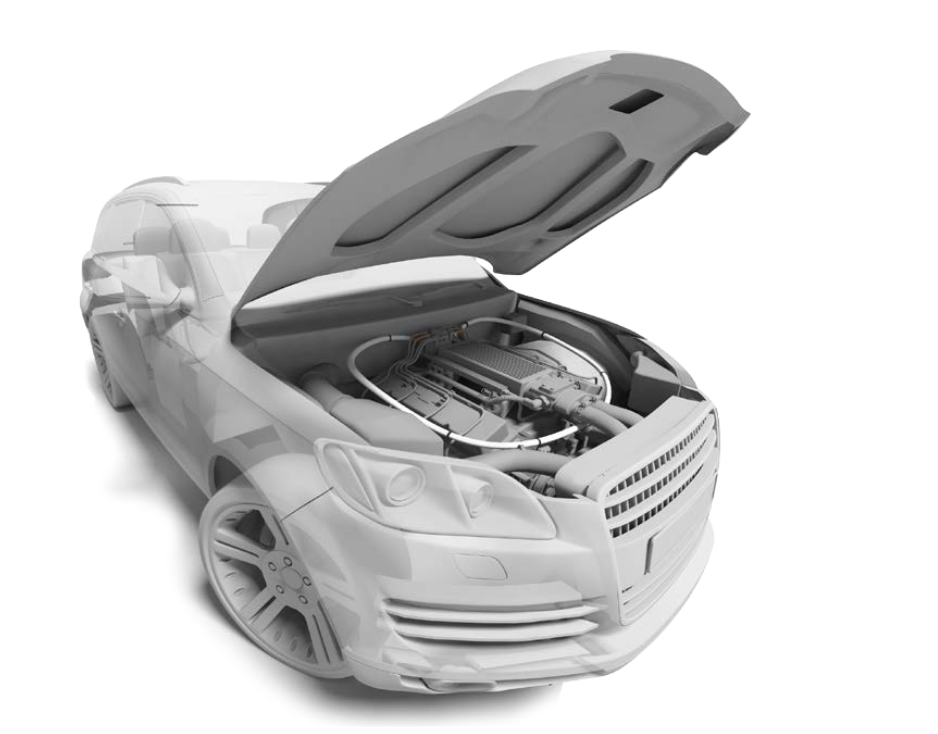
These can be referred to as Tube systems which comprise of a cylinder, capillary tube and end cap/pressure gauge. Designed for engine compartments, server racks, electrical cabinets and other enclosed local applications , these systems are inexpensive and automatic in their operation requiring no power source.